
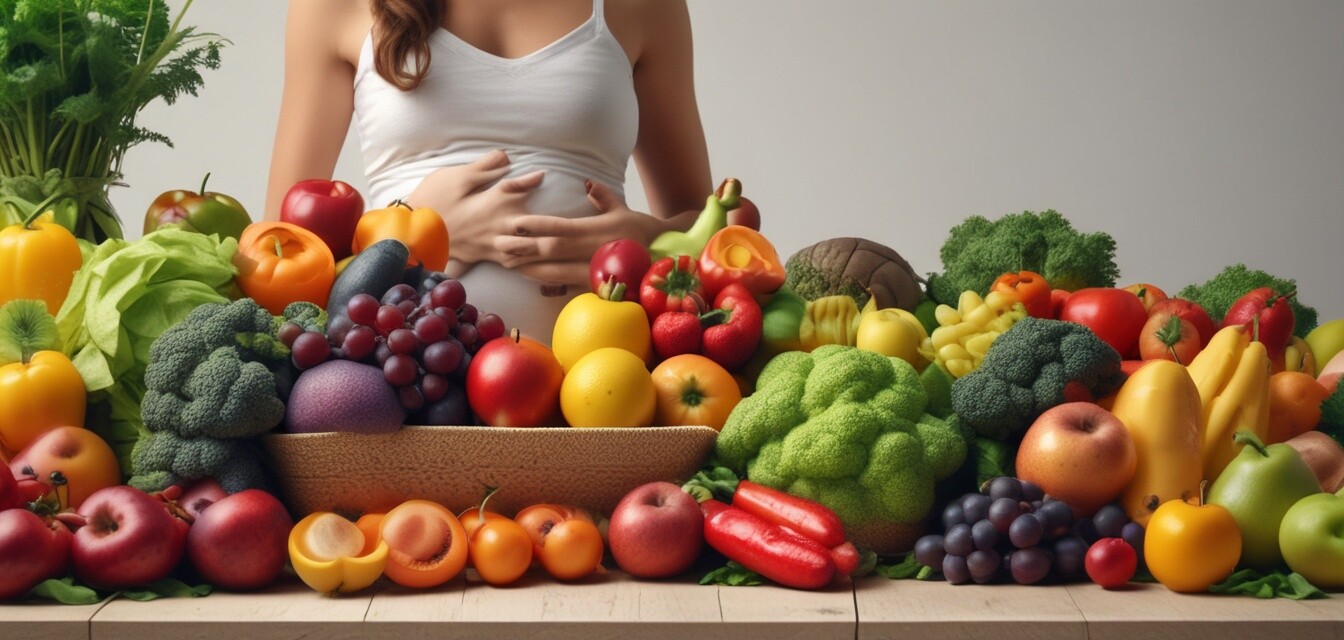
Tips for Maintaining a Balanced Diet with Prenatal Vitamins
Key Takeaways
- Understanding the role of prenatal vitamins in your diet.
- Strategies for combining whole foods with supplements.
- The importance of a balanced diet for both mother and baby.
- Incorporating diverse food groups to meet nutritional needs.
- Consulting with healthcare professionals for personalized advice.
Maintaining a balanced diet is crucial during pregnancy, as it supports the health of both mothers and their developing babies. Prenatal vitamins can provide essential nutrients that might not be fully obtained from food alone. In this article, we will discuss effective strategies for integrating prenatal vitamins into your diet while ensuring that you also get a variety of nutrients from whole foods.
Understanding Prenatal Vitamins
Prenatal vitamins are specially formulated supplements designed to support the health of expecting mothers and their babies. They typically contain essential nutrients, including:
- Folic acid
- Iron
- Calcium
- Vitamin D
- DHA
Strategies for a Balanced Diet
Combining prenatal vitamins with a balanced diet can ensure that you get the nutrients you need. Here are some strategies to help you achieve that balance:
1. Incorporate a Variety of Foods
Ensure that your diet includes a wide range of food groups:
| Food Group | Examples | Nutritional Benefits |
|---|---|---|
| Fruits | Berries, apples, bananas | Vitamins, antioxidants, fiber |
| Vegetables | Leafy greens, carrots, bell peppers | Vitamins, minerals, fiber |
| Grains | Whole grains, brown rice, quinoa | Carbohydrates, fiber, nutrients |
| Proteins | Beans, lentils, lean meats | Protein, iron, essential amino acids |
| Dairy or Alternatives | Yogurt, almond milk, cheese | Calcium, vitamin D, probiotics |
2. Stay Hydrated
Drinking enough water is vital for your health during pregnancy. Aim for at least 8-10 cups of water per day. Here are some tips to stay hydrated:
- Carry a water bottle with you to track your intake.
- Infuse water with fruits or herbs for added flavor.
- Consume fruits and vegetables with high water content.
3. Pairing Food with Vitamins
Understanding how to pair your meals with prenatal vitamins can enhance nutrient absorption:
- Taking iron-rich foods with vitamin C can improve iron absorption.
- Calcium and vitamin D work together for strong bones, so pair dairy products with sources of vitamin D.
4. Prepare Balanced Meals
Preparation is key to maintaining a balanced diet. Consider meal prepping for the week to ensure you have all the nutrients you need. A sample meal plan could look like this:
| Meal | Example |
|---|---|
| Breakfast | Oatmeal with bananas and a sprinkle of cinnamon |
| Lunch | Quinoa salad with spinach, cherry tomatoes, and avocado |
| Snack | Greek yogurt with berries |
| Dinner | Grilled chicken with steamed broccoli and brown rice |
Your Perfect Combination
By integrating prenatal vitamins into your nutritious diet, you can maximize your health benefits. It's important to note that a balanced diet is essential for achieving the nutritional needs during pregnancy. Make sure to:
- Consult with a healthcare professional to tailor your prenatal vitamin intake to your dietary needs.
- Stay informed about the nutritional content of your food.
- Mix and match different food groups for variety and enhanced nutrition.
Common Questions
What should I avoid while taking prenatal vitamins?
While it's important to focus on nutrients, avoid excessive consumption of fat-soluble vitamins (like A, D, E, K) and always follow your healthcare provider's guidance.
Are there foods that inhibit vitamin absorption?
Some foods and drinks, like high-fiber foods or coffee, may hinder the absorption of certain nutrients. Try to time when you take your prenatal vitamins with meals effectively.
Beginners Tips for a Balanced Diet
- Start gradually by adding one new healthy food each week.
- Keep healthy snacks on hand, such as nuts or cut fruits.
- Engage in meal planning to simplify grocery shopping.
- Try to eat at regular intervals to maintain energy levels.
- Stay active with light exercises, consulting a physician before beginning any workout routine.
Pros
- Supports overall health during pregnancy.
- Enhances nutritional intake with dietary supplements.
- Promotes a diverse diet that benefits both mother and baby.
Cons
- Some women may experience stomach discomfort from vitamins.
- Prenatal vitamins can't replace whole foods.
- Cost of supplements may add up over time.
Conclusion
Maintaining a balanced diet while taking prenatal vitamins is achievable with the right strategies. By focusing on a variety of whole foods, staying hydrated, and mindful supplementation, expecting mothers can support their health and that of their babies. Remember to consult healthcare professionals to tailor your approach for the best possible results.
For more tips on healthy eating during pregnancy, explore our Healthy Pregnancy Tips category. You’ll find a wealth of resources to support your journey!